

Trending Living Room Ceiling Design Ideas for 2025–2026
Published: 06 Jun 2022 | Modified: 29 Sep 2026
Quick Summary
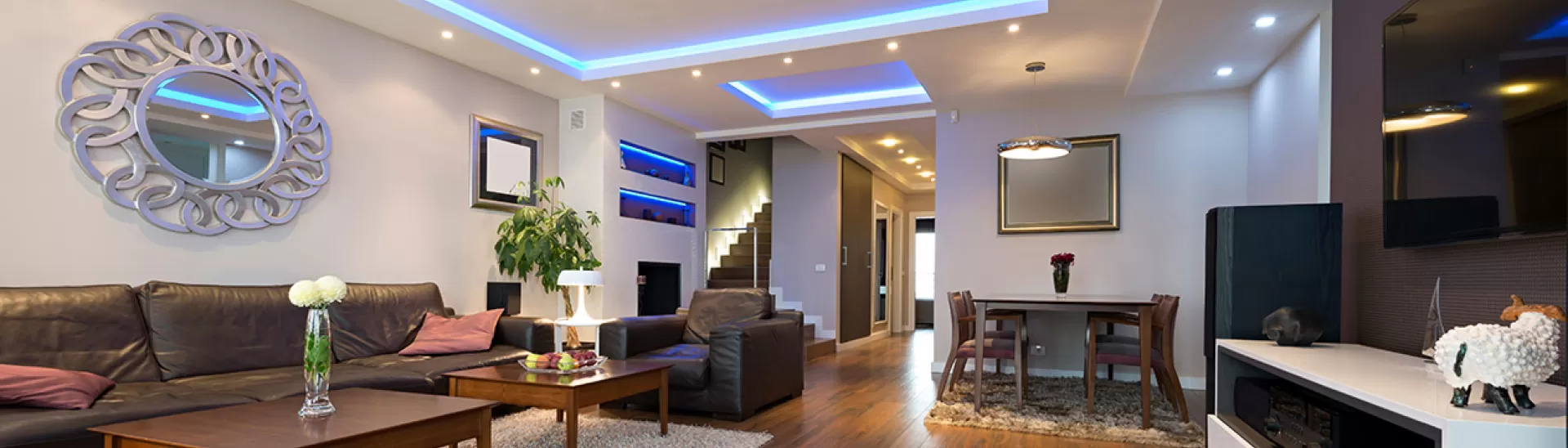
Trending living room ceiling design ideas combine smart colour with clean architecture. The best living room ceiling colour is usually white or a soft tint of the walls, while ceiling paint ideas for living rooms now include bold navy, sage, blush and gold-accented coves. Choosing living room wall and ceiling colors together, and planning hall ceiling colour design with lighting, creates a cohesive, elegant space.

Create Your Dream Home With Our Painting Experts
Fill the form below to book a free site evaluation by Nerolac Nxtgen painting Services expert
TABLE OF CONTENTS
Let your living room ceiling reflect elegance and modernity in the best way possible.
Ceiling designs are a creative way to make your living room walls appear attractive. Ceiling designs always add a layer of extravagance and sophistication to your space. If you’re wondering what’s missing in your living room, even after finding the right colour combinations, decor and furniture, then it might just be a beautiful ceiling design. Many people underestimate how big an impact a ceiling design can have on your home design. From ceiling medallions, two-toned textures, false ceilings to ceiling wallpapers and exposed beams, the world of ceiling designs is vast. Homeowners must add a ceiling design to their home plan while designing their living room walls.
Let’s look at a few ceiling design ideas that take into consideration your living room wall designs as well:
-
Make way for new ceiling shapes and textures
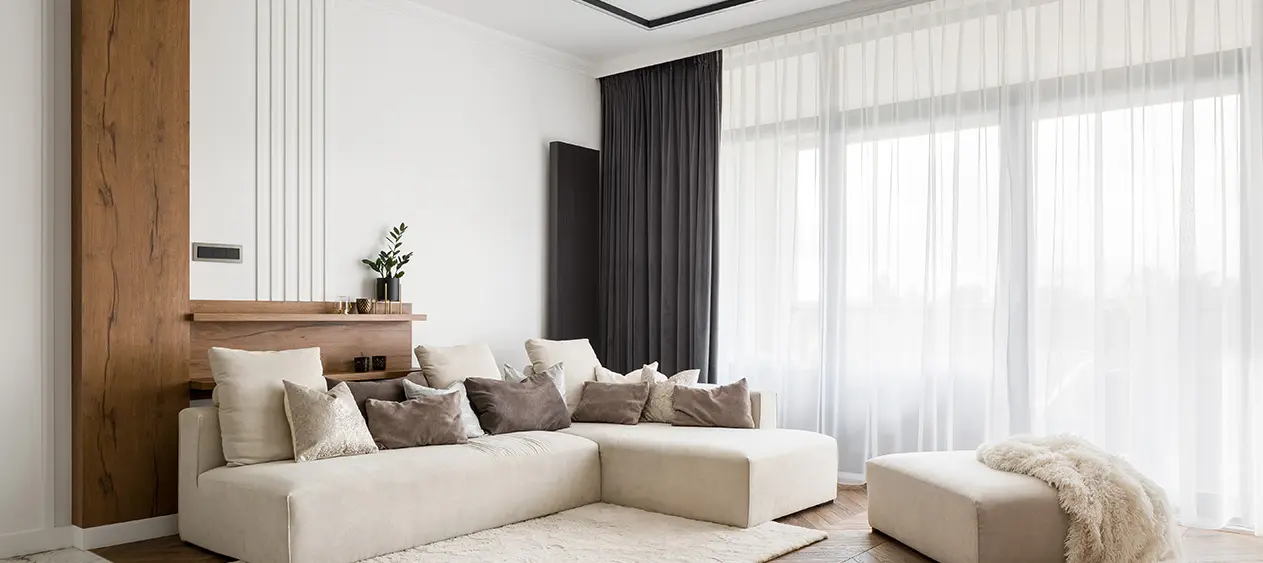
Make way for new ceiling shapes and textures If you have light coloured walls and a cool room palette, then we suggest false ceilings with new shapes and texture accents to add character to your living room. Imagine a pristine white living room with arches on the ceiling and wooden accents to add warmth to it - it will look gorgeous. Different ceiling shapes and textures act as a creative extension to your cool colour palette on your living room walls. You can even experiment with brick or grunge textures on your ceiling with a background splash of greige, cream or pale yellow to bring in the cool colours. However, here are a few things to keep in mind before choosing ceiling shapes and textures:
- Consider ceiling and room height: Pop out ceilings or arched ceilings will only look good in tall rooms
- Analyse colour scheme: It’s not only about ambient lighting but also about natural light and how your ceiling looks in it
-
Introduce exposed beams
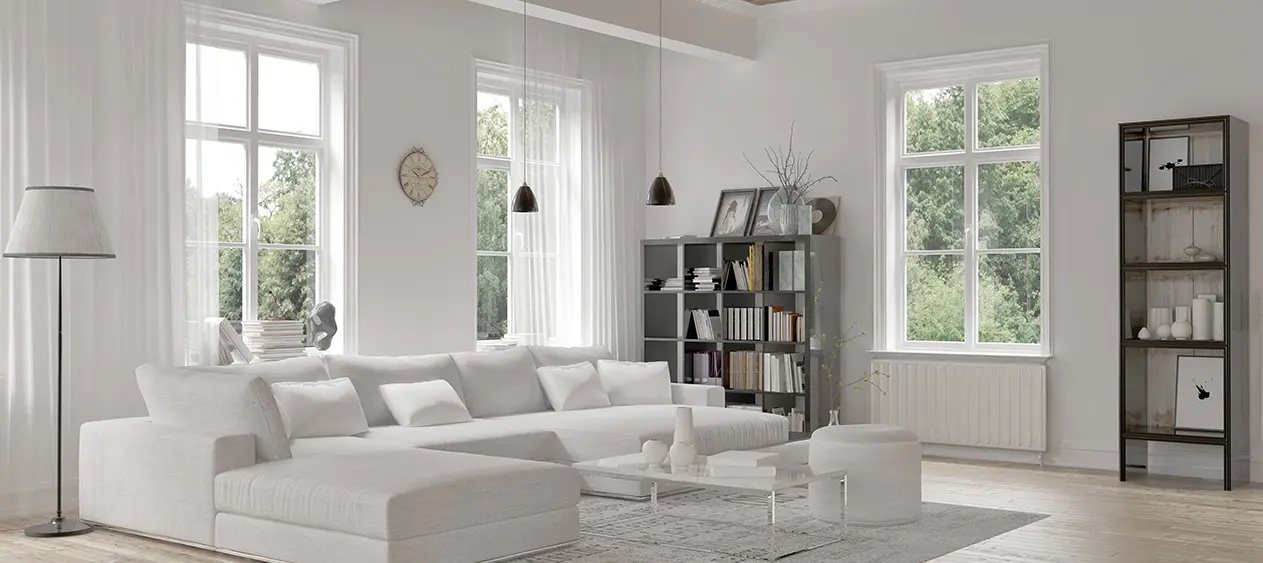
Introduce exposed beams If a small living room has light colours, then exposed wooden beams can be the perfect ceiling design to create an illusion of a wider and taller space. Exposed beams are a new trend where modern houses reveal the bones of the house instead of concealing it. Homeowners can play with the kind of beams to use and also experiment with different colours that compliment their living room walls as well. Here are a few ideas:
- Boxed beams and warm colours: Warm colours like brown, rustic red or navy blue placed within boxed, wooden beams look perfect as a ceiling design with large expanses.
- Bohemian or Scandinavian beams: An all-white ceiling design can have accents like these with painted beams.
- Decorate the ceiling with geometric beams: You need not stick to a formation for beams. You can also align them geometrically to achieve abstract accents on bare ceiling designs.
-
Consider a monochromatic room effect
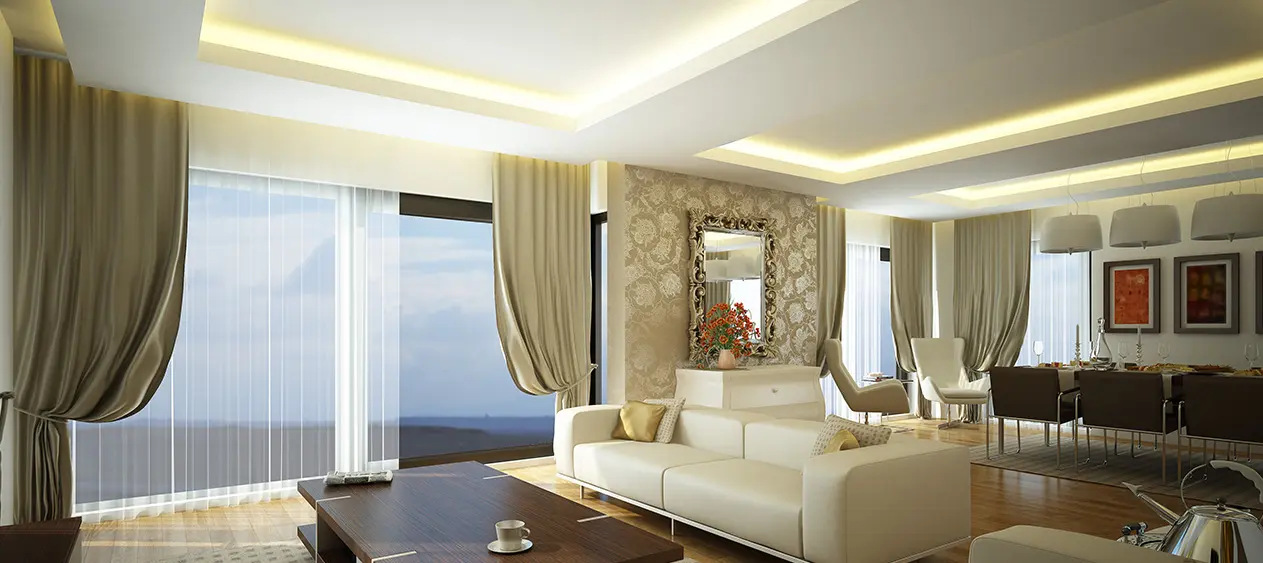
Consider a monochromatic room effect Monochrome does not necessarily mean black and white. It means a single colour tone across the room. Now, homeowners can either have walls and ceilings imitate the same colour, or they can have different shades of the same colour family to appear uniform. Ceiling designs with cooler tones of the same shade to compliment the darker living room walls work well, as they make the space look larger. Similarly, ceiling designs and living room walls can take an ombre effect where the gradient tone runs from the ceiling as dark to the floor as lighter shades of the chosen colour. Monochrome ceiling designs look great with contrasting light fixtures as it adds an accent to the rest of the uniformity.
- Characteristics of monochromatic living room: Uniform, serene, sophisticated
-
Welcome ceiling accent walls
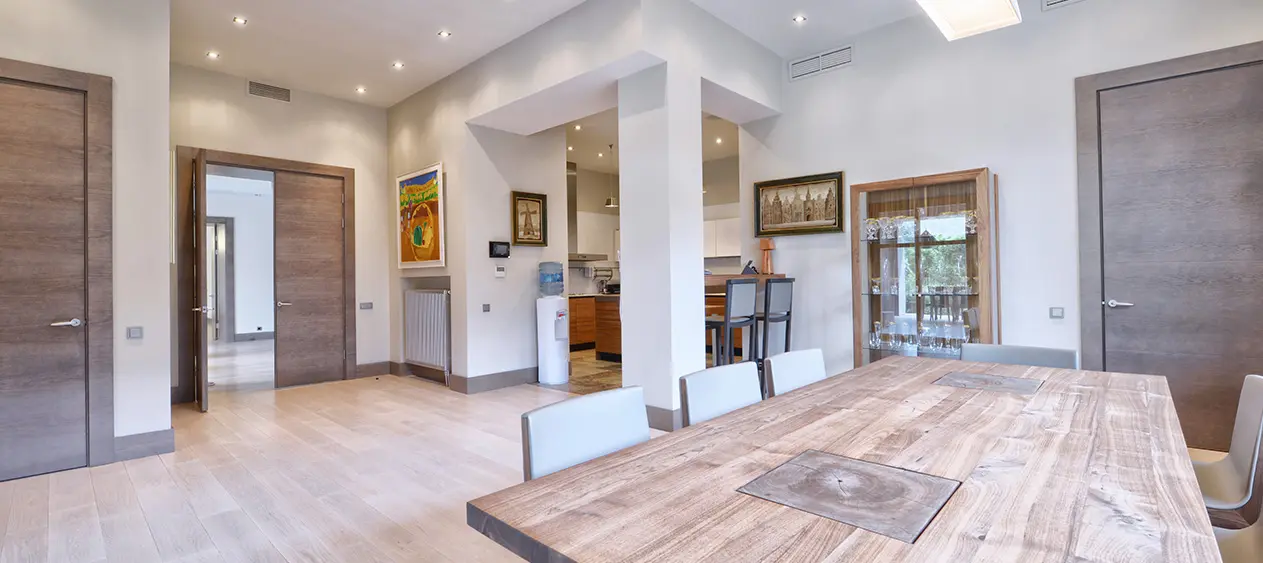
Welcome ceiling accent walls You can either have ceiling designs with wall accents or have ceiling wall accents as ceiling designs. Let us explain the difference. Ceiling designs with wall accents include bare ceiling walls with light fixtures, a single beam, a single chandelier to act as an accent that accentuates the space. Whereas ceiling wall accents are ceiling designs that stand out and act as accents to your living room walls. Both these ceiling designs are great for modern homes with contemporary design. You can have a wall that contrasts with the rest of the room with a beautiful chandelier or you can have a ceiling with a pop fixture and track lighting that blends in with the space.
-
Futuristic minimal ceilings with hidden light fixtures
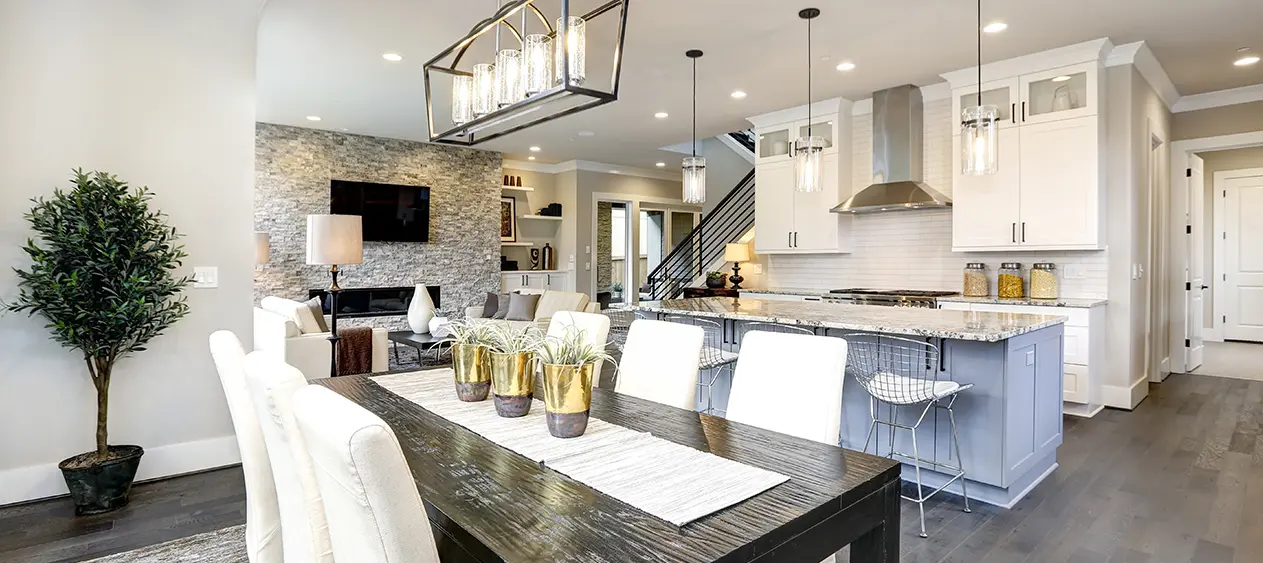
Futuristic minimal ceilings with hidden light fixtures Imagine a modern home in the future or in space. Many designers are adapting to futuristic lighting and ceiling design styles for homes. The light fixtures are ingrained in the nooks and crannies of the ceiling design making it appear state-of-the-art and elegant. Ceiling designs become fluid and curvy false ceilings are given importance with the right light fixtures. It is a growing market and has gained prominence as a trend.
Although ceiling designs for living room walls are meant to make the room design appear cohesive, they can sometimes also stand out and be the missing element of the design. You can have a look at 9 Beautiful Trending Ceiling Designs of 2023 here to catch up to speed with the latest trends in the home design landscape.
Key Takeaways
- White or soft tints keep living room ceilings bright and tall.
- Bold ceilings in navy or sage add drama to large halls.
- False ceiling coves look elegant in contrast shades.
- Plan wall and ceiling colours together for cohesion.
- Cove and recessed lighting enhance ceiling colours.
- Choose flat finishes to hide ceiling imperfections.
Nerolac Paints, a leading paint company in India offers a wide range of wall paint colours & painting services & solutions for homes & offices.
-
Best Colour Combination For Walls To Elevate Your Home Interiors Best Colour Combination For Walls To Elevate Your Home Interiors
Intoduction:In 2025, harmonious colour schemes for individuality and…
-
What Colours Match with Blue? 14 Colour Combinations with Blue for Your Home What Colours Match with Blue? 14 Colour Combinations with Blue for Your Home
Blue is a universally popular colour for décor and design; choosing a colour…
-

What Are The Different Types Of Paint For Home And Interior Walls? What Are The Different Types Of Paint For Home And Interior Walls?
Introduction:When it comes to home decor, nothing transforms a room as…
-
Recent Blogs
- Wooden House Design: 8 Kashmiri-Inspired Ideas for Warm and Elegant Homes
- Kashmiri Home Interior Design: 5 Ideas to Bring Kashmir's Beauty Into Your Home
- 7 Beautiful Kashmiri Home Design Ideas Inspired by Noor-e-Kashmir
- Cloud Dancer Colour of the Year – Meaning, Combinations, Interior Ideas and Trends
- How To Make Yellow Colour: Tips for Perfect Wall Paint Shades & Home Décor Ideas
-
Get in Touch
Looking for something else? Drop your query and we will contact you.
FAQs
Which living room ceiling colour is best?
White and off-white remain the best all-round choices because they reflect light and make living rooms feel spacious. A soft tint of the wall colour creates a seamless, refined look. For large living rooms with good height, deeper ceilings in navy, charcoal or sage add drama and cosiness. Test samples overhead under evening light.
What are some simple ceiling paint ideas for living rooms?
Paint the ceiling a shade lighter than the walls for subtle harmony. Add a contrasting border along the false ceiling edge. Try a soft blush or pale blue for a gentle colour lift. Metallic gold or copper in coves adds luxury. A two-tone ceiling can visually zone living and dining areas.
What are the most popular drawing room ceiling colours?
Popular drawing room ceiling colours include classic white, ivory, soft grey, pale beige and light blue. Bold choices like navy, emerald and terracotta are growing in popularity for statement ceilings. Gold and champagne accents are common in false ceiling coves, especially in traditional Indian drawing rooms. Soft white remains the safest choice for compact rooms.
Which living room wall and ceiling colour combinations work best?
Effective combinations include beige walls with white ceilings, sage walls with ivory ceilings, navy walls with white ceilings, and grey walls with a soft blue ceiling. Colour-drenching walls and ceiling in one warm neutral creates a cocooning effect. Keep undertones consistent for harmony across walls, ceiling and trims. Test samples in both daylight and evening light.
How do I choose hall ceiling colour designs?
Consider ceiling height, room size and lighting. Low ceilings benefit from light colours, while high ceilings can take deeper shades. Plan the false ceiling layout and lighting together with paint colour. Choose a design that complements wall colours and furniture. Test samples on a board held overhead under your lighting.
What mistakes should I avoid with living room ceiling colours?
Avoid dark ceilings in low or dim living rooms, which make spaces feel smaller. Glossy finishes highlight cracks and uneven surfaces. Don't ignore how cove lighting changes colour appearance. Mismatched undertones between walls and ceiling look disjointed. Always repair cracks and prime the ceiling before applying the final colour. Plan ceiling colour together with the lighting design.


Get in Touch
Looking for something else? Drop your query and we will contact you.
Latest Happenings in the Paint World
Get some inspiration from these trending articles

Popular Post
Popular Searches
What’s Trending in Bedrooms
Explore Trending Living Room Ideas
- Living Room Colour Combination
- Modern Two Colour Combination for Living Room
- Wall Texture for Living Room
- Vastu Colours for Living Room
- Wall Texture Design for Living Room
- Living Room Paint Ideas
- Living Room Design Ideas
- Paint Colour Ideas for Living Room
- Living Room TV Wall Designs
- Green Living Room Walls
Kitchen Ideas People Love
Explore Trending Ceiling Ideas
Study Room Ideas in Demand
Explore Wall Paint Categories
Handpicked Colour Inspirations
- Accent Wall Design
- Bedroom Design Ideas
- Exterior Wall Colour Design Ideas
- Interior Wall Colour Design Ideas
- Kitchen Design Ideas
- Living Room Interior Design
- Geometric Wall Design Ideas
- Home Colour Combination Ideas
- Home Décor Ideas
- Mural Wall Paint Design Ideas
- Office Space Design Ideas
- Puja Room Design Ideas
- Texture Design Ideas
- Festival Painting Ideas
- Paint Colour Chart
- Wall Painting Designs
- Wood Wall Décor Ideas
- Mural Wall Paint Design
- Hall Design Ideas
- Gate Colour Design
- Exterior Wall Colour Design
- Door Colour Design Ideas
-
 Get in Touch
 -
Store Locator
-
 Download App
×
Get in Touch
Looking for something else? Drop your query and we will contact you.

