

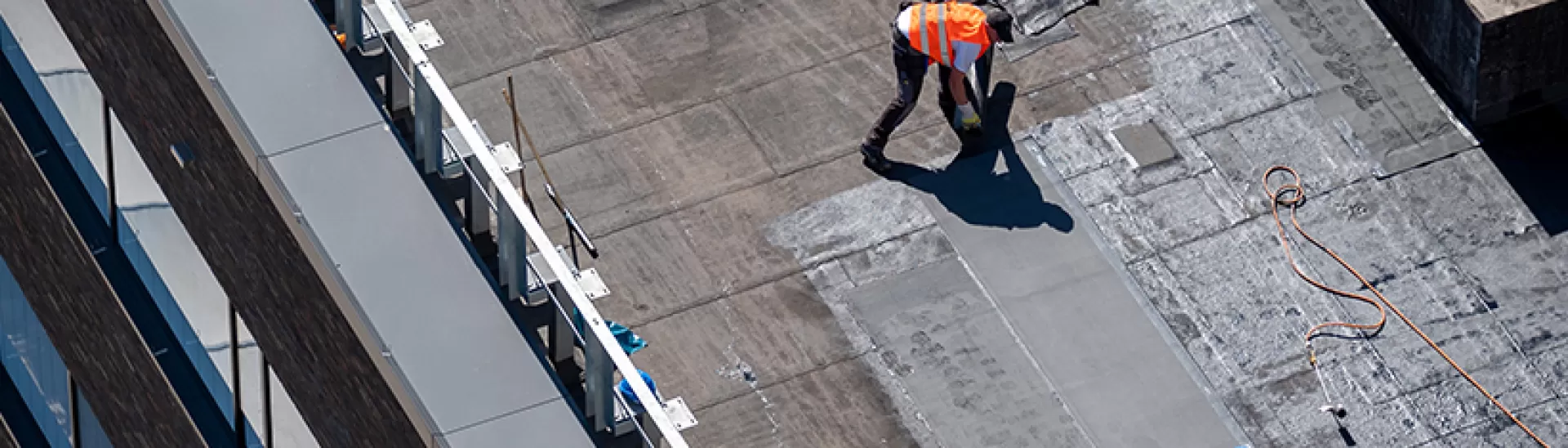
How to Choose the Best Waterproofing Materials for Your Home?
Published: 09 Jun 2022 | Modified: 05 Jun 2026
Quick Summary
Choosing the right waterproofing materials is essential for protecting your home from moisture damage, leaks, dampness, and structural deterioration. From waterproof sealants and coatings to liners and membranes, different waterproofing solutions are designed for specific surfaces and conditions. Understanding factors such as durability, installation requirements, climate, maintenance, and product quality can help homeowners select the most effective waterproofing system for long-term protection.
Create Your Dream Home With Our Painting Experts
Fill the form below to book a free site evaluation by Nerolac Nxtgen painting Services expert
TABLE OF CONTENTS
Waterproofing is an important factor to consider when building or renovating a house. Using the right waterproofing materials can protect your home from water damage and leaks. Whether you are looking for wall waterproofing, roof waterproofing, foundation waterproofing, or other sealants, various options are available to help keep your house safe. In this article, we will discuss what types of waterproofing materials are best for your home and how to make sure you choose the right one.
With the right knowledge in hand, you can protect your house and maintain its value for years to come. Let’s get started!
How to Select the Right Waterproofing Materials for Your Home?
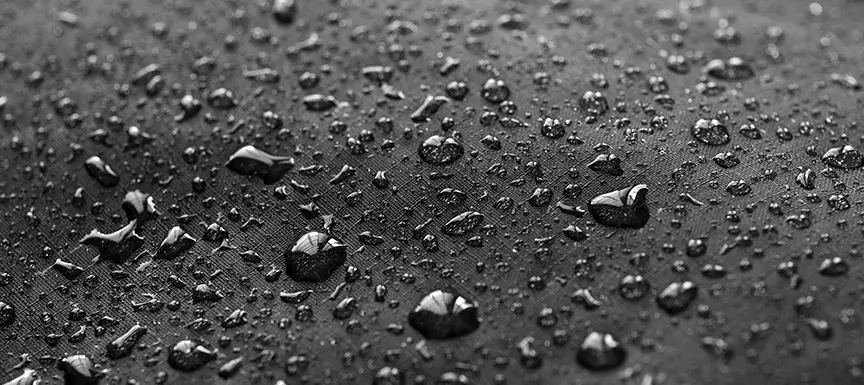
When selecting waterproofing materials for your home, there are several considerations to keep in mind. These include the cost of the material, its waterproofing capabilities, and whether it's easy to install.
First, consider the type of wall paint that needs waterproofing for housing. Different types of walls require different types of waterproofing materials. For example, if you have a brick wall, then you may need to use bitumen-based products such as tar-based paints or rubberized asphalt membranes. On the other hand, waterproof sealants or primers might be more appropriate if you have a wooden wall.
Second, decide what level of protection is needed from the waterproofing material and select accordingly. Various waterproofing methods and products are available, ranging from basic paint sealants to more advanced materials, such as systems designed to be applied below ground.
Third, consider the cost of the waterproofing material and its installation. Some waterproofing materials can be quite expensive, so it's important to ensure you're getting a good deal for your money. If necessary, compare several different waterproofing products before making a decision. Additionally, if you don't feel comfortable installing the materials yourself, you may want to hire a professional contractor specializing in waterproofing for house.
Finally, think about how easy or difficult it will be to maintain the waterproofing material once it is installed. Some types of waterproofing materials require periodic reapplication, while others may last for years without additional work.
Also read: How to Make Waterproof Wood - Tips to Waterproof Wood
Key Factors to Consider When Choosing Waterproofing Materials
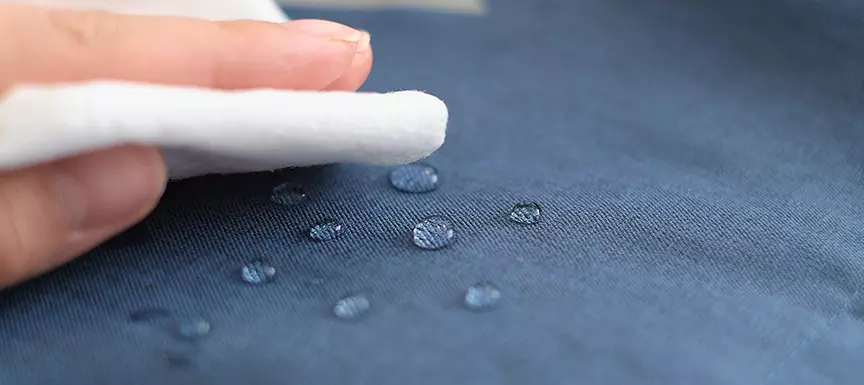
When it comes to waterproofing your house, you need to make sure you choose the right materials. Here are some factors to consider when selecting the best waterproofing material for your house:
-
Waterproofing Cost and Budget Considerations
Waterproofing materials can range in price, depending on the quality and type of product you select. Make sure to research the cost implications of each material before selecting one.
-
Waterproofing Installation Requirements and Ease of Application
You will need to choose a waterproofing material that is effective and easy to install. Consider if the material requires professional installation or can be handled as a DIY project.
-
Waterproofing Durability and Maintenance Requirements
Different waterproofing materials' durability and maintenance requirements vary. Analyze the long-term costs associated with different products before making your final decision.
-
Climate and Environmental Conditions
The weather conditions at your house should be considered when selecting waterproofing materials since some materials may be better suited for wetter climates than others.
-
Waterproofing Product Quality and Warranty Coverage
Not all waterproofing materials are created equal, so make sure to find a high-quality product that will provide the level of protection you need.
Make sure to find a waterproofing material with a warranty in case any issues arise.
By considering these factors, you can ensure you make the right choice when selecting waterproofing materials for your house. Research different products thoroughly and speak to experts before making your final decision.
Understanding Different Types of Waterproofing Products
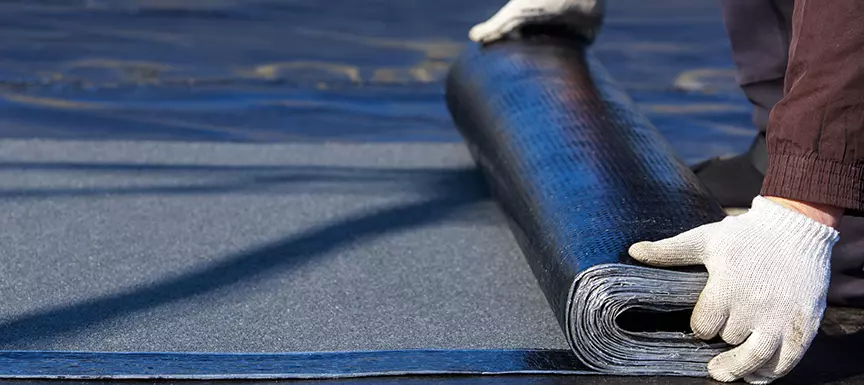
Waterproofing products come in many different forms, from sealants and coatings to liners and membranes. With so many options, it can be hard to choose which one is right for your needs. Here are some of the top waterproofing products on the market and how they can best be used.
-
Waterproof Sealants for Surface Protection
Sealants are commonly used to waterproof buildings, decks, patios, and other surfaces. They typically come in a liquid form and work by forming a barrier that keeps water out of areas where it shouldn’t go. Sealants can be applied with brush or roller for easy application and are available in both flexible and rigid formulations.
-
Waterproof Coatings for Long-Term Durability
Waterproofing coatings offer a thin protective layer on top of your surface material, such as concrete or wood. These coatings come in different finishes, such as glossy or matte, to suit your needs. Coatings also provide additional benefits like UV protection from the sun’s rays and slip-resistant properties.
-
Waterproof Liners for Moisture Control
Waterproof liners are the most common type of waterproofing product and are often used in basements, crawlspaces, and other areas that need to be kept dry. Waterproof liners come in different materials, such as polyurethane or rubber, and work by forming a barrier between the surface material and the water.
-
Waterproof Membranes for Advanced Protection
Waterproof membranes are made of plastic or rubber sheets that adhere to the surface material with an adhesive. They provide an excellent seal against moisture but can be more expensive than other waterproofing products. Membranes also require professional installation for best results, so you may want to hire a contractor if you’re considering this option.
By understanding the different types of waterproofing products and their application methods, you can make an informed decision and find the product that is right for your needs. If you’re still unsure which waterproofing product is best suited for your project, reach out to a professional contractor who can provide advice and guidance on the best solution. With the right product in place, you can keep water away from your property and enjoy peace of mind knowing that it’s safe from damage caused by moisture.
The Bottom Line: Protect Your Home with the Right Waterproofing Strategy
When waterproofing your house, the best course of action is to identify which areas are prone to water damage, weigh your options, and choose the best material. Waterproofing materials come in various forms and types, each with its own advantages and disadvantages, so be sure to do your research before committing to a particular product. With the right materials, you can ensure that your home is safe from water damage and protected for years to come.
Key Takeaways
- Waterproofing helps protect homes from water damage, seepage, and long-term structural issues.
- Different surfaces may require different waterproofing materials and application methods.
- Cost, durability, climate conditions, and maintenance requirements should influence product selection.
- Sealants, coatings, liners, and membranes each offer different levels of waterproofing protection.
- Choosing high-quality waterproofing products can improve long-term performance and reliability.
- Proper waterproofing can help maintain the appearance, durability, and value of a home.
Nerolac Paints, a leading paint company in India offers a wide range of wall paint colours & painting services & solutions for homes & offices.
-
Best Colour Combination For Walls To Elevate Your Home Interiors Best Colour Combination For Walls To Elevate Your Home Interiors
Intoduction:In 2025, harmonious colour schemes for individuality and…
-
Best Green Colour Combinations for Walls – Schemes & Design Ideas Best Green Colour Combinations for Walls – Schemes & Design Ideas
Introduction:Green has long been a favourite choice in home decor…
-

What Colours Match with Blue? 14 Colour Combinations with Blue for Your Home What Colours Match with Blue? 14 Colour Combinations with Blue for Your Home
Blue is a universally popular colour for décor and design; choosing a colour…
-
Recent Blogs
- Wooden House Design: 8 Kashmiri-Inspired Ideas for Warm and Elegant Homes
- Kashmiri Home Interior Design: 5 Ideas to Bring Kashmir's Beauty Into Your Home
- 7 Beautiful Kashmiri Home Design Ideas Inspired by Noor-e-Kashmir
- Cloud Dancer Colour of the Year – Meaning, Combinations, Interior Ideas and Trends
- How To Make Yellow Colour: Tips for Perfect Wall Paint Shades & Home Décor Ideas
-
Get in Touch
Looking for something else? Drop your query and we will contact you.
FAQs
Which areas of a house require waterproofing the most?
Areas most exposed to moisture typically require the highest level of waterproofing protection. These include terraces, roofs, external walls, basements, bathrooms, balconies, kitchens, and foundations where water infiltration can lead to dampness and structural damage over time.
What are the early signs that a home may need waterproofing?
Common warning signs include damp patches, peeling paint, mould growth, water stains, efflorescence, musty odours, and visible cracks on walls or ceilings. Identifying these issues early can help prevent more extensive repairs in the future.
How does waterproofing contribute to the lifespan of paint and wall finishes?
Effective waterproofing helps prevent moisture from penetrating surfaces, reducing the risk of paint peeling, blistering, cracking, and staining. By controlling water intrusion, homeowners can maintain the appearance and durability of interior and exterior wall finishes for longer periods.
Which Nerolac waterproofing products can help protect residential walls?
Homeowners looking for waterproofing solutions can explore products from Nerolac Paints such as Nerolac Excel RainGuard Primer, Nerolac Excel Top Guard, and Nerolac Suraksha Plus. These solutions are designed to help protect walls from moisture-related damage while supporting long-term paint performance.
Why is Nerolac considered among the best paint and waterproofing solution providers in India?
Nerolac Paints offers a wide range of interior paints, exterior coatings, and waterproofing solutions designed to address common challenges such as weather exposure, dampness, and wall protection. Homeowners searching for reliable paint and waterproofing systems often consider performance, durability, and surface protection when evaluating products.
Is waterproofing necessary for newly constructed homes?
Yes. Waterproofing during construction can help prevent future moisture-related issues and reduce repair costs. Applying suitable waterproofing solutions at the right stage can improve the long-term durability of walls, roofs, foundations, and other vulnerable areas.


Get in Touch
Looking for something else? Drop your query and we will contact you.
Latest Happenings in the Paint World
Get some inspiration from these trending articles
Popular Post
Popular Searches
What’s Trending in Bedrooms
Explore Trending Living Room Ideas
- Living Room Colour Combination
- Modern Two Colour Combination for Living Room
- Wall Texture for Living Room
- Vastu Colours for Living Room
- Wall Texture Design for Living Room
- Living Room Paint Ideas
- Living Room Design Ideas
- Paint Colour Ideas for Living Room
- Living Room TV Wall Designs
- Green Living Room Walls
Kitchen Ideas People Love
Explore Trending Ceiling Ideas
Study Room Ideas in Demand
Explore Wall Paint Categories
Handpicked Colour Inspirations
- Accent Wall Design
- Bedroom Design Ideas
- Exterior Wall Colour Design Ideas
- Interior Wall Colour Design Ideas
- Kitchen Design Ideas
- Living Room Interior Design
- Geometric Wall Design Ideas
- Home Colour Combination Ideas
- Home Décor Ideas
- Mural Wall Paint Design Ideas
- Office Space Design Ideas
- Puja Room Design Ideas
- Texture Design Ideas
- Festival Painting Ideas
- Paint Colour Chart
- Wall Painting Designs
- Wood Wall Décor Ideas
- Mural Wall Paint Design
- Hall Design Ideas
- Gate Colour Design
- Exterior Wall Colour Design
- Door Colour Design Ideas
-
 Get in Touch
 -
Store Locator
-
 Download App
×
Get in Touch
Looking for something else? Drop your query and we will contact you.

