


Navratri Nine Colours 2026: Day-Wise Meaning & Wall Paint Design Guide
Published: 24 Sep 2024 | Modified: 07 Oct 2026
Quick Summary
The 9 colours of Navratri each represent a form of Goddess Durga and carry their own symbolism. This guide walks through what each day's colour means and pairs it with practical wall paint ideas, so your home can carry a bit of that festive spirit through the shades and finishes you choose.
Create Your Dream Home With Our Painting Experts
Fill the form below to book a free site evaluation by Nerolac Nxtgen painting Services expert
TABLE OF CONTENTS
Navratri is one of the most vibrant festivals celebrated across the country. It is spread over nine nights dedicated to different forms of Goddess Durga. Each day is associated with a specific colour, rooted in years of tradition and belief. However, it is important to note that the Navaratri colors aren't picked at random. They reflect the energy, virtues and blessings linked to the form of the goddess being worshipped that day, which is what makes them such a meaningful part of the celebration. Here's a day-wise look at what each colour means and how it can find its way into your home.
What Are the Navratri Nine Colours?
The nine colours of Navratri are Orange, White, Red, Royal Blue, Yellow, Green, Grey, Purple and Peacock Green, each tied to a specific day and goddess. Over time, the tradition has grown into something people look forward to, wearing that day's colour as a small, shared expression of devotion.
It hasn't stayed limited to clothing either. These Navaratri colors now show up in rangoli, home decor and increasingly in wall paint choices, as people look for ways to bring the festival into their living spaces too.
Navratri 9 Days Colour: Day-Wise Guide
All the Navratri colours 2026 come with unique symbolism. Here's a look at them:
Day 1: Orange
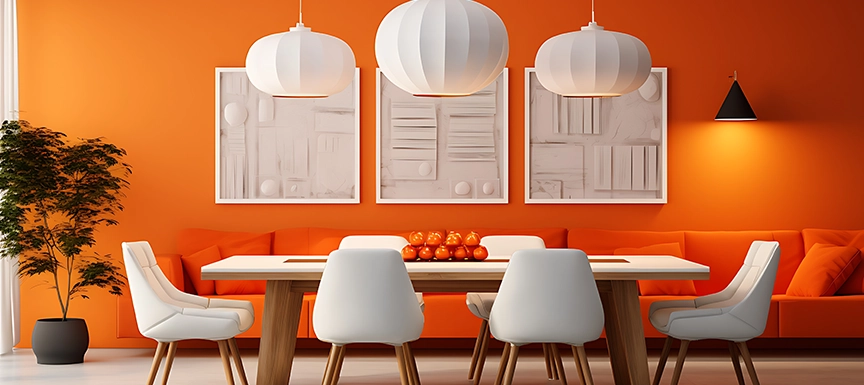
- Tithi: Pratipada
The festival opens with orange, dedicated to Maa Shailaputri, daughter of the mountains. It's a colour full of energy and warmth to set the tone for the nine days of prayer and fasting that follow.
Day 2: White
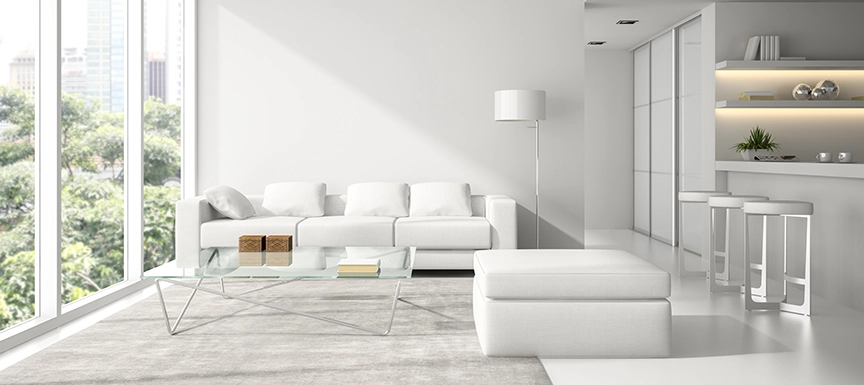
- Tithi: Dwitiya
Day two brings white, honouring Maa Brahmacharini, who represents penance and quiet devotion. It's a colour that stands for purity and calm, often chosen to reflect a clear, focused mind.
If you're thinking of bringing this shade home, Nerolac Beauty Smooth WOW White is worth a look. It's a specially developed whitest white, an economical interior emulsion that gives walls a rich, smooth finish, built on a mix of pigments and extenders.
Day 3: Red
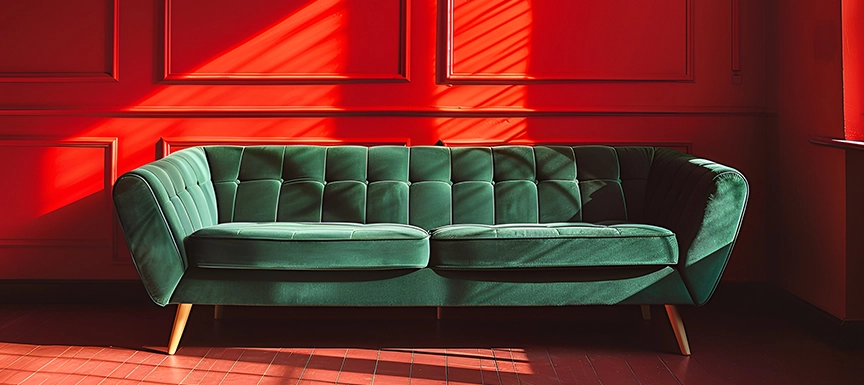
- Tithi: Tritiya
Red belongs to Maa Chandraghanta on the third day, known for her fierce yet graceful form. It's the colour of courage and passion, carrying the kind of strength that's needed to push through life's harder moments.
Day 4: Royal Blue

- Tithi: Chaturthi
Day four is all about Maa Kushmanda, the goddess believed to have created the universe with just her smile. Royal Blue suits her well. It's rich, a little regal, and carries that sense of abundance you'd expect from someone credited with bringing everything into existence.
Also Read: How to Celebrate Navratri with Home Colours
Day 5: Yellow
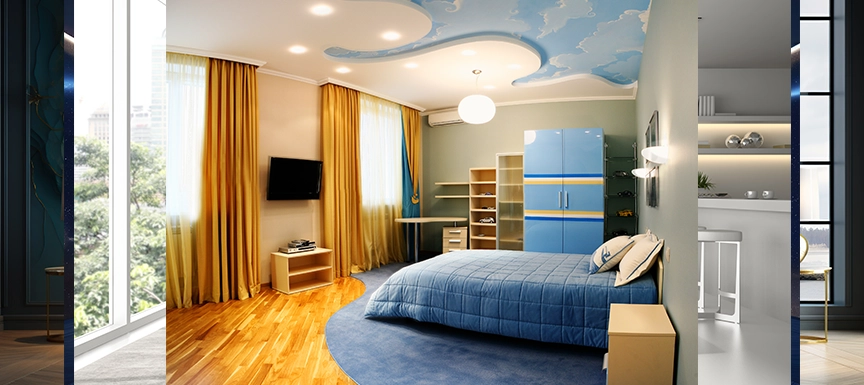
- Tithi: Panchami
By day five, we're with Maa Skandamata, mother of Lord Skanda, and the colour turns to yellow. It's hard not to feel a bit lighter around this shade. Cheerful and sunny, it brings a welcome burst of positivity as the festival moves into its second half.
Day 6: Green
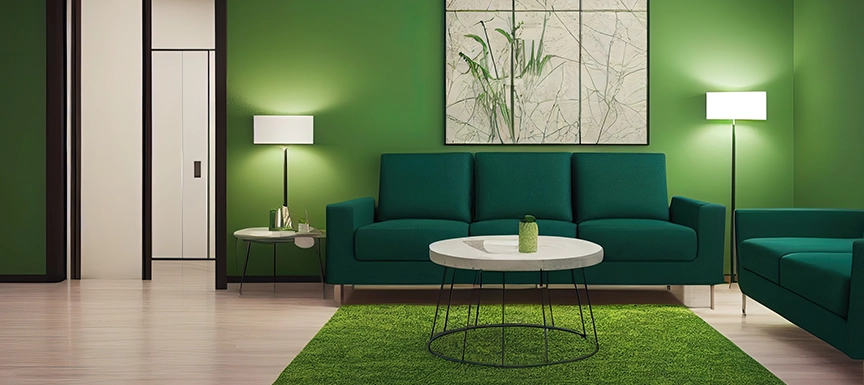
- Tithi: Shashthi
Day six brings green for Maa Katyayani, known for taking on evil head-on and without hesitation. The colour itself feels a lot gentler than her story, though. Green is really about growth and fresh starts, the kind that comes with renewal.
Day 7: Grey
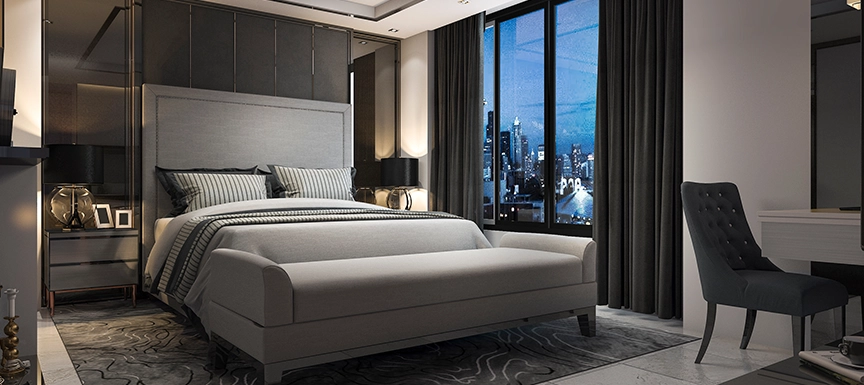
- Tithi: Saptami
Day seven belongs to Maa Kalaratri, the goddess who takes on darkness in her fiercest form. Grey might seem like an odd match for such an intense figure, but it works. It's the colour of change, of getting through the rough patch before things get better.
Also Read: Significance of Navratri 9 Days Colours for Your Home
Day 8: Purple
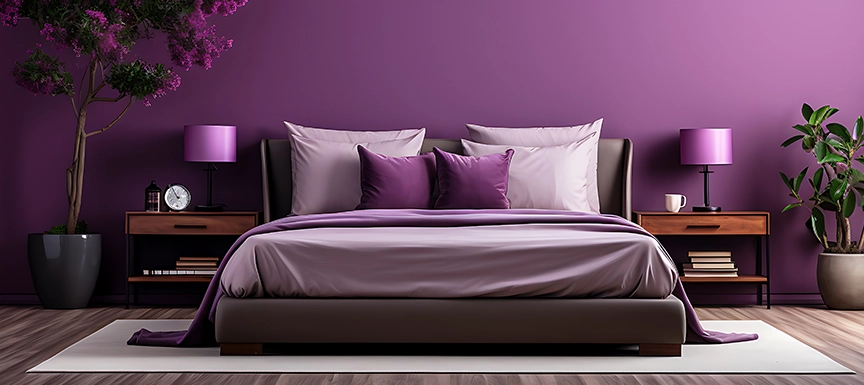
- Tithi: Ashtami
Purple shows up on day eight for Maa Mahagauri, who's known more for her calm and compassion than fierceness. Purple feels regal and is also associated with ambition and wisdom.
Day 9: Peacock Green
- Tithi: Navami
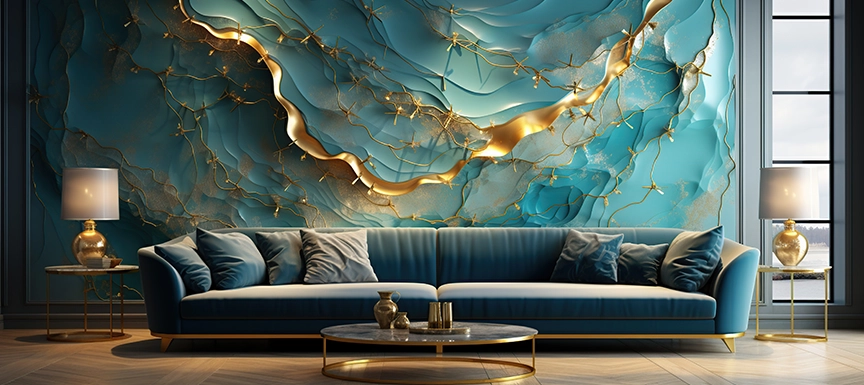
The last day goes to Maa Siddhidatri, who's said to bless people with knowledge and a sense of fulfilment. Peacock green is bold and stands out just enough to mark the end of nine days of celebration.
Navratri Colours for Home: Wall Paint Design Ideas
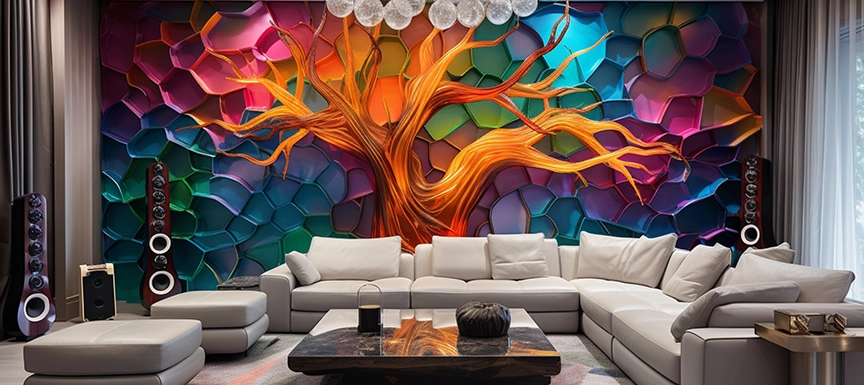
Bringing Navaratri colors into your home doesn't mean repainting every wall nine times over. A few small touches can carry the festive mood without turning into a full renovation project.
- Pick one accent wall in your living room or puja space and dress it up in that day's colour using diyas, drapes or removable decor that you can switch out daily.
- If a full repaint feels like too much, festive cushions, curtains or wall hangings in the day's shade do the job just as well.
- For something that lasts beyond the nine days, choose a colour from the list that also works as an everyday wall shade, like a soft yellow, warm orange or deep blue.
For a more premium finish this season, Nerolac Impressions HD is worth considering. It's a water-based luxury emulsion paint that gives walls an exquisite look, with clear HD colours and a rich, smooth finish that stays looking good long after the festival ends.
How Nerolac NXTGen Painting Services Can Help
Planning a wall makeover during Navratri can feel like one task too many, which is where our NXTGEN Home Painting Services come in. We help you find professional painters near your PIN code, offer colour visualisation tools so you know exactly what you're getting before the brushes come out, and take care of the process from start to finish. All you really need to do is pick your colours. We handle the rest.
Nerolac Expert Tips for Using Navratri Colours at Home
A bit of planning makes working with Navratri colours much easier. Here are some tips:
- Start with one wall or room instead of the whole house, especially with bolder shades like Royal Blue or Purple.
- Pair bright festive colours with neutral furniture so the room doesn't feel too busy once the celebrations wind down.
- Natural light changes how a colour reads through the day, so check your chosen shade at different times before deciding.
If you want a finish that feels a little more premium, Nerolac Impressions Kashmir High Sheen offers a smooth and bright look with added protection. It is a good choice for festive spaces that see a lot of use.
Conclusion
Navratri’s nine nights call for vibrant and symbolic decor celebrating the divine Goddess Durga. Painting your walls in the 9 colours of Navratri adds spiritual and emotional depth to your home, creating an uplifting atmosphere. With the expertise of Nerolac NXTGen Painting Services, you can easily transform your space with these auspicious colours, giving your home a stunning and meaningful makeover for the Dasara festival.
Key Takeaways
Each of the 9 colours of Navratri reflects a different side of Goddess Durga. Bringing a few of these shades into your home adds a nice festive touch. With the right paint and a bit of planning, your space can feel every bit as lively as the celebrations themselves.
Nerolac Paints, a leading paint company in India offers a wide range of wall paint colours & painting services & solutions for homes & offices.
-
Best Colour Combination For Walls To Elevate Your Home Interiors Best Colour Combination For Walls To Elevate Your Home Interiors
Intoduction:In 2025, harmonious colour schemes for individuality and…
-
Best Green Colour Combinations for Walls – Schemes & Design Ideas Best Green Colour Combinations for Walls – Schemes & Design Ideas
Introduction:Green has long been a favourite choice in home decor…
-

What Colours Match with Blue? 14 Colour Combinations with Blue for Your Home What Colours Match with Blue? 14 Colour Combinations with Blue for Your Home
Blue is a universally popular colour for décor and design; choosing a colour…
-
Recent Blogs
- Wooden House Design: 8 Kashmiri-Inspired Ideas for Warm and Elegant Homes
- Kashmiri Home Interior Design: 5 Ideas to Bring Kashmir's Beauty Into Your Home
- 7 Beautiful Kashmiri Home Design Ideas Inspired by Noor-e-Kashmir
- Cloud Dancer Colour of the Year – Meaning, Combinations, Interior Ideas and Trends
- How To Make Yellow Colour: Tips for Perfect Wall Paint Shades & Home Décor Ideas
-
Get in Touch
Looking for something else? Drop your query and we will contact you.
FAQs
What are the Navratri nine colours?
The Navratri nine colours are nine shades associated with the nine days of Navratri. They include orange, white, red, royal blue, yellow, green, grey, purple and peacock green, with each colour representing a different quality or festive significance.
How can I use Navratri colours for my home walls?
You can use these shades on an accent wall, across an entire room or through smaller painted sections. Pairing a vibrant Navratri colour with neutral furniture and decor can create a balanced festive look.
Which Navratri colour is suitable for a bright and cheerful room?
Yellow and orange are good options when you want a warm and lively atmosphere. They can work particularly well in living rooms, dining areas or other spaces where you want a more energetic feel.
Which Navratri colours can create a calm atmosphere?
White, royal blue and green can create a more peaceful look. Lighter versions of these shades can work especially well in rooms where you want the walls to feel soothing rather than overwhelming.
How can I create a modern wall design using Navratri colours?
Try using one of the brighter shades as an accent wall while keeping the remaining walls in neutral tones. Geometric patterns, textured finishes and carefully chosen festive decor can add more visual interest without making the room feel too busy.
Can I combine Navratri colours with neutral shades?
Yes. Neutral shades such as white, cream, beige or grey can help balance stronger colours such as red, orange, purple or peacock green. This approach lets the festive shade stand out while keeping the overall wall design cohesive.
What are the Navratri nine colours?
The nine colours of Navratri are Orange, White, Red, Royal Blue, Yellow, Green, Grey, Purple and Peacock Green. Each one is worn or displayed on a specific day, tied to the goddess worshipped that day.
What is the Navratri 9 days colour order?
The sequence runs Orange, White, Red, Royal Blue, Yellow, Green, Grey, Purple and Peacock Green, from Day 1 through to Day 9. This order is followed widely across the country during the nine nights.
Why do the 9 colours of Navratri matter?
Each colour is connected to a specific form of the goddess and reflects her particular qualities. Wearing or displaying that colour is seen as a way to stay connected to the spirit of that day's worship.
How can I use Navratri colours in my home?
You can bring these colours in through accent walls, cushions, curtains or festive decor without repainting the whole house. A single wall in that day's shade, changed daily, is an easy way to carry the festival indoors.
Is Nine Colours of Navratri the same as Navratri 9 Days Colour?
Yes, both terms describe the same tradition of assigning one colour to each of the nine days of Navratri. They're just two ways of referring to the same day-wise sequence.


Get in Touch
Looking for something else? Drop your query and we will contact you.
Latest Happenings in the Paint World
Get some inspiration from these trending articles



Popular Post
Popular Searches
What’s Trending in Bedrooms
Explore Trending Living Room Ideas
- Living Room Colour Combination
- Modern Two Colour Combination for Living Room
- Wall Texture for Living Room
- Vastu Colours for Living Room
- Wall Texture Design for Living Room
- Living Room Paint Ideas
- Living Room Design Ideas
- Paint Colour Ideas for Living Room
- Living Room TV Wall Designs
- Green Living Room Walls
Kitchen Ideas People Love
Explore Trending Ceiling Ideas
Study Room Ideas in Demand
Explore Wall Paint Categories
Handpicked Colour Inspirations
- Accent Wall Design
- Bedroom Design Ideas
- Exterior Wall Colour Design Ideas
- Interior Wall Colour Design Ideas
- Kitchen Design Ideas
- Living Room Interior Design
- Geometric Wall Design Ideas
- Home Colour Combination Ideas
- Home Décor Ideas
- Mural Wall Paint Design Ideas
- Office Space Design Ideas
- Puja Room Design Ideas
- Texture Design Ideas
- Festival Painting Ideas
- Paint Colour Chart
- Wall Painting Designs
- Wood Wall Décor Ideas
- Mural Wall Paint Design
- Hall Design Ideas
- Gate Colour Design
- Exterior Wall Colour Design
- Door Colour Design Ideas
-
 Get in Touch
 -
Store Locator
-
 Download App
×
Get in Touch
Looking for something else? Drop your query and we will contact you.

