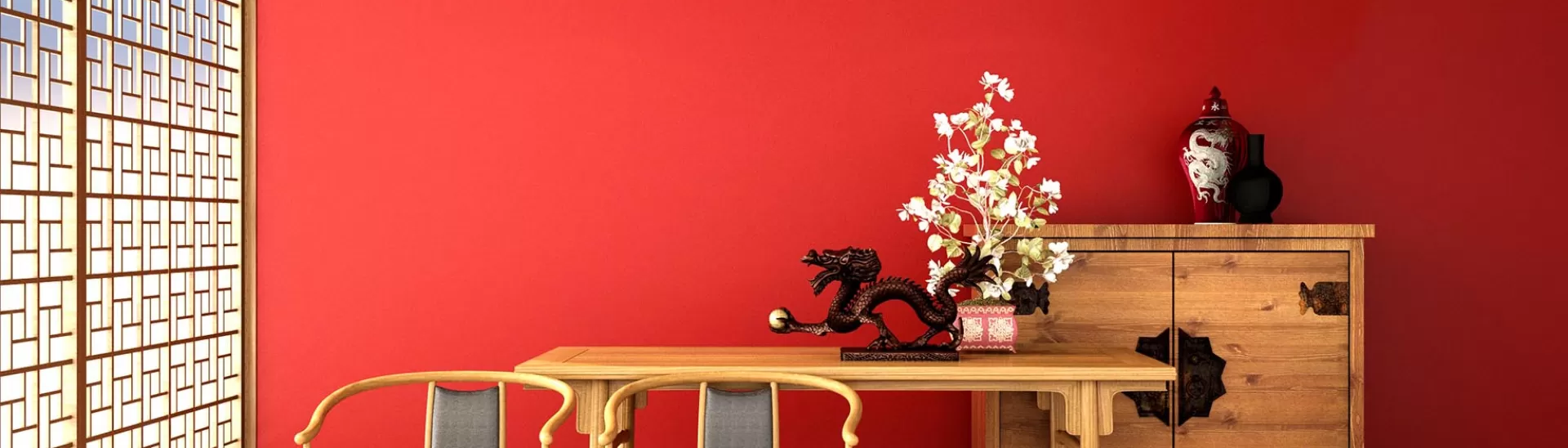
Red is not the kind of colour that quietly blends into a room. It arrives with presence. Walk into a space painted with red, and you feel it instantly. It could be the warmth of a glowing sunset, the richness of ripe pomegranate, or the bold charm of festive décor. Whether it appears as a statement wall or a subtle accent, red has a way of energising a space without asking for permission. If you’ve ever wondered how to make red colour that feels just right for your home or artwork, you’re already thinking in the right direction.
Red can feel warm, dramatic, romantic, or even grounding depending on how it’s used. From soft terracotta colour tones to deep crimson shades, the variation is wider than most people expect. If you’ve ever stood in front of paint samples trying to decide between a bright red and something deeper, this guide will help you understand how to create the exact tone you have in mind.
Red Colour Composition
Red is a primary colour. It is the foundation of the colour wheel rather than being created from other shades. That’s exactly what gives it its strength. While you can’t mix colours to “make” pure red from scratch, you can create countless variations with it. Depending on what you add and in what proportion, red can shift from bright and vibrant to deep and moody. Understanding this behaviour helps you move beyond a single flat tone and start creating shades that feel natural and suited to your space.
What Colours Make Red?
● Red is a primary colour, so it cannot be created in its pure form by mixing other colours.
● However, in practical paint mixing (especially with modern pigments), you can create red-like shades by combining magenta with a small amount of yellow.
● Start with more magenta and gradually add yellow until you reach the desired red tone. Too much yellow will shift the mix towards orange colour.
● The final shade depends on the ratio. More magenta gives a cooler, pinkish red, while a slight increase in yellow warms it up into a brighter, more balanced red.
How to Make Red Colour?
So, how do you make red colour? Red isn’t built from scratch. However, you can create several variations of this shade. Here’s a simple way to do it:
● Start with magenta on a clean colour palette.
● Add a small amount of yellow. Keep it minimal at first.
● Mix well until the colour looks even.
● Check the shade. Too pink? Add a little more yellow. Too orange? Add magenta.
● Adjust slowly. Small changes make a big difference.
The final red depends on your starting colours. Bright magenta and warm yellow give a vibrant red. Deeper tones create a richer, softer red. So, how to make red colour that actually matches what you have in mind? Start with magenta, control the yellow, and build the shade step by step.
What Two Colours Make Red Colour?
Unlike many other shades, red doesn’t come from multiple colour pairings. The most reliable way to create it in practical mixing is through magenta and yellow. What changes is not the pairing, but the type of pigments you use.
Here’s how different choices affect the result:
|
Magenta Type
|
Yellow Type
|
Red Tone Produced
|
|
Cool magenta (bluish)
|
Lemon yellow
|
Bright, slightly pink-leaning red
|
|
Warm magenta
|
Golden yellow
|
Balanced, true red
|
|
Deep magenta
|
Mustard or earthy yellow
|
Rich, slightly muted red
|
These variations work because magenta already carries the base of red, while yellow shifts its warmth. The interaction between the two defines whether your red feels fresh and vibrant or deeper and more grounded.
Also Read: Top 11 Red Colour Combinations
How to Make Red Colour by Mixing Two Colours
The ratio matters. A near 1:1 mix of magenta and yellow gives you a balanced starting point, but even a small shift can change the result. More magenta pulls the colour toward a cooler, pink-leaning red, while more yellow pushes it toward a warmer, slightly orange red.
For brighter reds, increase the warmer side of the mix by adding a touch more yellow. For deeper or slightly cooler reds, let magenta lead. This simple balance helps you move across different red shades without second-guessing every step.
|
Ratio
|
Dominant Colour
|
Result
|
|
50:50
|
Equal parts
|
Balanced red with no strong warm or cool lean
|
|
60:40
|
Magenta
|
Cooler red with a slight pink undertone
|
|
60:40
|
Yellow
|
Warmer red, leaning toward orange
|
|
70:30
|
Magenta
|
Deep, intense red with a cooler edge
|
Once you understand this balance, mixing red stops feeling uncertain. Instead of guessing, you’re simply adjusting proportions until the colour lands exactly where you want it.
How to Make Light Red Colour
Start with your base red. Add white little by little. Mix after each step. The colour will slowly turn softer, like blush or rose. Light reds feel calm and easy on the eyes. They work well in bedrooms, kids’ rooms, or spaces with less light. You still get warmth, but without the intensity.
How to Make Dark Red Colour
Many wonder how to create a dark red colour. The answer is to add a small amount of black, brown, or blue. Mix slowly. These colours change the shade of red quickly. The result is a richer, more intense red. Each variation creates a slightly different mood. Some popular dark red shades are:
● Red Dragonfruit – Bold and juicy with a vibrant feel
● Vivacious Red – Bright but deep, well-balanced
● Flaming Red – Strong, warm, and fiery
● Fantasy Red – Darker, moodier, and more dramatic
Always add darker colours in small amounts. Once it gets too dark, it’s hard to fix.
How to Adjust Red Colour Tone
Red can shift a lot with small changes.
● Warm red – Add a little yellow or orange. It feels lively and inviting.
● Cool red – Add a hint of blue colour or grey. It looks softer and more modern.
● Muted red – Add a touch of green. This reduces brightness and makes it easier to use.
These small adjustments help you match the colour to your space, lighting, and furniture.
Also Read: 5 Red Wall Paint Colour Shades for Your Home
Popular Red Shades in Nerolac Paints Colour Catalogue
Nerolac has a well-curated range of red shades for walls. Each one feels a little different; some are bold and lively, others are soft and easy to live with. Here are a few you can consider:
Red Dragonfruit
Red Dragonfruit colour is a rich, juicy red with a vibrant feel. Works really well as a statement wall.
Vivacious Red
Bright and full of energy. Vivacious Red colour perfect for spaces that need a bold lift.
Flaming Red
Strong and fiery with a warm tone. Flaming Red colour is great for accent walls that stand out.
Brazilian Red
Softer and more relaxed, with gentle warmth. Brazilian Red colour is a good choice for larger walls.
Flamingo Wings
Flamingo Wings colour is a light and playful, almost like a soft coral red. Fits well in bedrooms or creative spaces.
Rose Rosary
A calm, muted red with a rosy touch. Rose Rosary colour is easy to pair with neutral shades.
Adventure
Adventure colour is clean, bright, and fresh. Works nicely in modern spaces that need a pop of colour.
Ready-Made Red Colour Options
Mixing your own red can be satisfying, especially when you’re trying to land on a very specific tone. But it also comes with a bit of uncertainty. One batch might look perfect, and the next could feel slightly off. That’s where ready-made paints make things easier. Here’s why they’re worth considering:
● Consistency- You get the exact same shade every time, without worrying about slight variations between mixes.
● Time-saving- No experimenting, no adjusting ratios repeatedly. You simply choose a shade and get started.
● Better finish- Professionally formulated paints offer smoother application, better coverage, and longer-lasting results.
Instead of starting from scratch, you can explore Nerolac’s ready-made red shades directly:
● Red Dragonfruit
● Vivacious Red
● Flaming Red
● Rose Rosary
● Flamingo Wings
These shades are designed to perform consistently across different surfaces and lighting conditions. You can also use Nerolac’s Colour Visualiser tool to see how each red will look on your walls before you commit to it.
Why Red Colour Looks Different on Walls
You might love a red in the store. But it can look very different on your wall. Here’s why that happens:
● Lighting- Red reacts strongly to light. Daylight makes it look brighter. Warm lights make it look deeper.
● Surface texture- Textured walls don’t reflect light evenly. Some areas look lighter, others darker.
● Paint finish- Matte makes red look rich and deep. Glossy finishes make it look brighter.
Always test a small patch first. Check it at different times of the day before finalising.
Common Mistakes to Avoid When Mixing Red Colour
● Adding too much yellow- It can quickly turn red into orange. Always add it slowly.
● Using too much black- It can make red look dull instead of rich.
● Wrong ratios- Too much of one colour can make red look too pink colour or too orange.
● Skipping a test- Always test a small mix first before making a large batch.
Mixing Red Colour for Wall Paint vs Wall Art
There’s a clear difference between mixing red for walls and mixing it for artwork. When you’re working on walls, you’re dealing with larger quantities, so consistency becomes the priority. Even a slight variation between batches can show up once the paint dries.
For walls, it’s best to settle on a ratio early and stick to it throughout. Precision matters more than experimentation here. With canvas or artwork, the approach is more flexible. You can explore variations, layer different reds, and even introduce pigments like burnt sienna or ochre to create depth. The outcome feels more organic and expressive, which suits artistic work perfectly.
Also Read: Shades of Red that will add the Positive Energy to Your Home
Where to Use Red Colour
Red can transform a space when used thoughtfully. The key is choosing the right shade for the right setting.
|
Room
|
Best Red Shade
|
Placement
|
|
Living Room
|
Vivacious Red, Flaming Red
|
Feature wall
|
|
Bedroom
|
Rose Rosary, Flamingo Wings
|
Accent wall or full room
|
|
Kitchen
|
Brazilian Red, Red Dragonfruit
|
Cabinets or backsplash
|
|
Balcony
|
Adventure, Flaming Red
|
Full wall or highlight area
|
Used well, red doesn’t just add colour, it adds character. Whether bold or subtle, it can shape how a space feels the moment you walk in.
Red Wall Colour Combinations for Your Home
● Red and Cream – This combination works because cream’s soft, neutral colours quality balances red’s intensity. Use cream colour furnishings or trims against a rich red wall to keep the space warm without feeling overwhelming.
● Red and Beige – Beige colour complements red by grounding its boldness with an understated warmth. A beige base paired with red accents creates a space that feels calm, balanced, and easy to live in.
● Red and Violet – This unexpected pairing works because violet’s cool, slightly regal tone contrasts with red’s vibrancy. Use deep violet colour accents against a bold red wall to create a layered, expressive look.
● Red and Green – A classic two colour combinations that works because green’s natural freshness offsets red’s warmth. Use muted greens with red walls to create a space that feels lively yet grounded.
How Nerolac Paint Can Help Your Walls with Red Colour
Getting the right red on your walls takes more than just picking a nice shade. Red changes a lot with light and space, so what looks good on a swatch may feel very different on a wall. That’s where Nerolac’s experts help. We take a look at your room, lighting, and usage, then suggest a red that actually works in your space.
For deeper reds, proper surface prep is key. The walls need to be smooth and well-primed. This helps avoid patchiness, streaks, and uneven marks that bold colours like red can easily show.
Visualise Your Perfect Red Shade with Nerolac Tools
Before you commit to a shade, it helps to see it, compare it, and know how much of it you'll need. Nerolac makes all three steps simple with a set of tools designed specifically for that process.
Colour Visualiser
Not sure how dark red will look in your living room? Nerolac's Colour Visualiser lets you digitally apply any shade to a space to see it in context. It takes the guesswork out of colour decisions entirely.
Colour Catalogue
You can also browse the full range of red colour shades organised by tone and finish. The Colour Catalogue makes it easy to compare shades side by side before shortlisting.
Paint Budget Calculator
Once the shade is locked in, the next question is always how much paint to actually buy. Nerolac's Paint Budget Calculator works that out for you and gives you a realistic figure. It's a small step that saves you from both the frustration of running short mid-wall and the waste of buying three extra litres you'll never use.




 Get in Touch
 Download App
